

Hey there! As a supplier of Flash Point Testers, I often get asked about specific cleaning agents for these nifty pieces of equipment. Flash point testers are crucial in the petroleum and chemical industries, helping to determine the lowest temperature at which a liquid gives off enough vapor to form an ignitable mixture with air. Keeping these testers clean is essential for accurate results and their long - term performance.
First off, let's talk about the types of flash point testers we offer. We've got the Automatic Cleveland Open - Cup Flash Point Tester. This one is great for testing the flash point of open - cup samples. It's designed to follow specific industry standards and provides reliable results. Then there's the Closed Cup Flash Point Tester, which is used when you need to test samples in a closed environment. And for those who need quick results, our Rapid Closed Cup Flash Point Tester is a top choice.
Now, back to the cleaning agents. The choice of cleaning agent depends on the type of residue left in the tester. In most cases, the residues are from the petroleum or chemical samples being tested. These can range from light oils to heavy - duty greases and even some sticky polymers.
For light oil residues, isopropyl alcohol is a great option. It's readily available, relatively inexpensive, and evaporates quickly. You can use it to wipe down the interior and exterior of the tester, especially the cup where the sample is placed. Just soak a clean, lint - free cloth in isopropyl alcohol and gently clean the surfaces. Make sure to dry the parts thoroughly before using the tester again.
If you're dealing with heavier grease or oil deposits, a more powerful solvent might be needed. Acetone is a strong solvent that can dissolve tough residues. However, it's also highly flammable, so you need to use it with extreme caution. Always work in a well - ventilated area and keep it away from any open flames or sources of ignition. When using acetone, wear appropriate protective gear like gloves and goggles.
For some testers, especially those with electronic components, you need to be extra careful. You don't want to damage the sensitive parts. In such cases, a specialized electronic cleaner can be used. These cleaners are formulated to clean without leaving any residue or causing damage to the electronics. They usually come in aerosol cans, and you can simply spray them on the parts that need cleaning.
Another important aspect of cleaning is the frequency. It's a good idea to clean your flash point tester after every few tests. This helps prevent the build - up of residues, which can affect the accuracy of the test results. If you're using the tester regularly, say in a busy laboratory, you might need to clean it more often.
Let's also talk about the cleaning process itself. Before you start cleaning, make sure the tester is turned off and has cooled down completely. This is for your safety and to prevent any damage to the equipment.
For the cup of the tester, you can start by removing any solid debris with a soft brush. Then, apply the chosen cleaning agent. If it's a liquid cleaner, you can pour a small amount into the cup and let it sit for a few minutes to dissolve the residues. After that, use a cloth or a sponge to scrub the inside of the cup. Rinse it thoroughly with water (if the cleaner allows it) and dry it completely.
The exterior of the tester can be cleaned with a damp cloth and a mild detergent. Avoid getting water into any of the electrical openings or connectors. If there are stubborn stains on the exterior, you can use a non - abrasive cleaner and a soft cloth to gently rub them off.
It's also important to clean the ignition source of the tester. This could be a burner or an electric ignition. For a burner, make sure to remove any carbon deposits. You can use a wire brush to carefully clean the burner ports. For an electric ignition, use a dry cloth to wipe away any dust or debris.
In addition to regular cleaning, it's a good practice to perform a more thorough maintenance check every once in a while. This includes checking the seals, gaskets, and any moving parts for wear and tear. If you notice any issues, it's best to replace the parts as soon as possible to ensure the proper functioning of the tester.
Now, if you're in the market for a flash point tester or have any questions about cleaning agents or maintenance, we're here to help. We've got a team of experts who can provide you with all the information you need. Whether you're a small laboratory or a large industrial facility, we can offer the right solution for your needs.

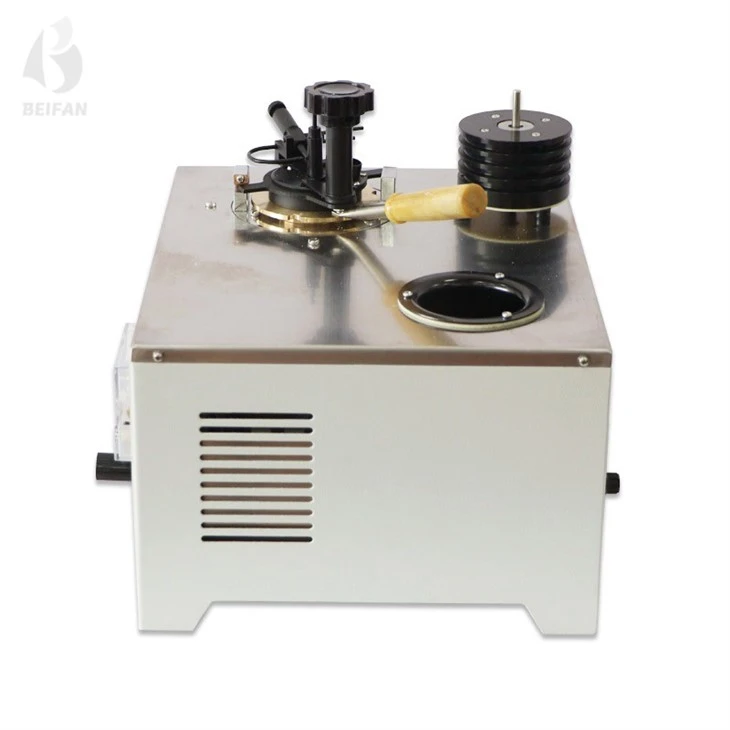
So, if you're interested in purchasing a flash point tester or just want to learn more, don't hesitate to reach out. We can have a detailed discussion about your requirements and help you choose the best tester for your specific application. We're committed to providing high - quality products and excellent customer service.
References
- ASTM International standards for flash point testing
- Manufacturer's guidelines for flash point testers


