

Can a Flash Point Tester be used for pesticides?
As a supplier of flash point testers, I often receive inquiries from various industries regarding the applicability of our products. One question that has come up more frequently lately is whether a flash point tester can be used for pesticides. In this blog post, I will delve into this topic and provide a comprehensive answer based on scientific knowledge and practical experience.
Understanding Flash Point and Its Significance
Before discussing the use of flash point testers for pesticides, it's essential to understand what flash point is and why it matters. The flash point of a liquid is the lowest temperature at which it gives off enough vapor to form an ignitable mixture with air near the surface of the liquid. This property is crucial for safety reasons, as it helps determine the potential fire and explosion hazards associated with a particular substance.
In industrial settings, knowing the flash point of a chemical is vital for proper storage, handling, and transportation. It also plays a significant role in regulatory compliance, as many countries have strict regulations regarding the classification and labeling of flammable substances based on their flash points.
Types of Flash Point Testers
There are several types of flash point testers available on the market, each with its own advantages and limitations. The most common types include equilibrium closed cup flash point testers, closed cup flash point testers, and rapid closed cup flash point testers.
- Equilibrium Closed Cup Flash Point Tester: This type of tester measures the flash point under equilibrium conditions, where the vapor and liquid phases of the sample are in equilibrium. It is typically used for accurate and precise measurements of the flash point of volatile liquids.
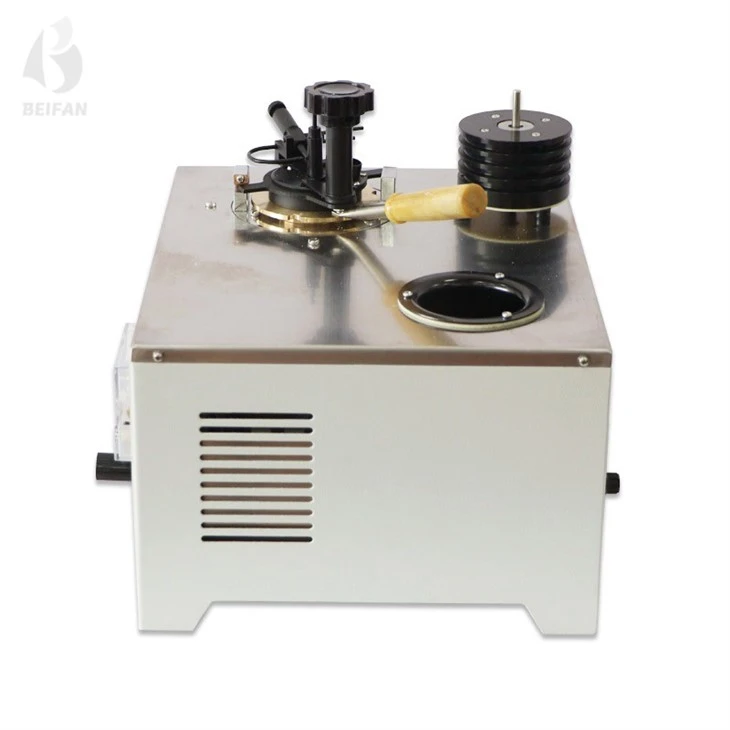
- Closed Cup Flash Point Tester: Closed cup testers are designed to measure the flash point of a sample in a closed container, which minimizes the loss of vapor and provides more reliable results. They are widely used in various industries for routine flash point testing.
- Rapid Closed Cup Flash Point Tester: As the name suggests, rapid closed cup testers are capable of providing quick results, making them suitable for applications where fast testing is required. They are often used in quality control laboratories and for on-site testing.
Can Flash Point Testers be Used for Pesticides?
The short answer is yes, flash point testers can be used for pesticides. However, there are several factors that need to be considered before using a flash point tester for pesticide testing.

Chemical Composition of Pesticides
Pesticides are a diverse group of chemicals that can have different chemical compositions and physical properties. Some pesticides may contain flammable solvents or active ingredients, while others may be non-flammable. Therefore, it's important to know the chemical composition of the pesticide being tested to determine whether it is suitable for flash point testing.
For example, pesticides that contain organic solvents such as ethanol, methanol, or acetone are likely to have a low flash point and may pose a fire hazard. In such cases, using a flash point tester to determine the flash point of the pesticide can help ensure safe handling and storage.
Regulatory Requirements
In addition to safety considerations, there may be regulatory requirements regarding the testing of pesticides for flash point. Depending on the country or region, pesticides may need to be classified and labeled based on their flash points to comply with local regulations.
For example, in the United States, the Environmental Protection Agency (EPA) has specific requirements for the classification and labeling of pesticides based on their flammability. Pesticides with a flash point below a certain threshold may be classified as flammable and require special handling and storage procedures.
Testing Methodology
When using a flash point tester for pesticide testing, it's important to follow the appropriate testing methodology to ensure accurate and reliable results. The testing procedure may vary depending on the type of flash point tester being used and the specific requirements of the pesticide being tested.
In general, the sample should be prepared according to the manufacturer's instructions and the testing conditions should be carefully controlled to minimize the effects of factors such as temperature, humidity, and air flow. It's also important to use the appropriate ignition source and to repeat the test several times to ensure the consistency of the results.
Challenges and Limitations
While flash point testers can be used for pesticide testing, there are some challenges and limitations that need to be considered.
Complex Chemical Mixtures
Pesticides are often complex chemical mixtures that may contain multiple active ingredients, solvents, and additives. These complex mixtures can make it difficult to accurately determine the flash point of the pesticide, as the flash point of a mixture may be different from the flash points of its individual components.
In such cases, it may be necessary to use more advanced testing techniques or to consult with a chemical expert to accurately determine the flash point of the pesticide.
Safety Concerns
Testing pesticides for flash point can be hazardous, as some pesticides may be toxic, corrosive, or flammable. Therefore, it's important to take appropriate safety precautions when conducting flash point testing, such as wearing protective clothing, using proper ventilation, and following all safety procedures.
Regulatory Compliance
As mentioned earlier, there may be regulatory requirements regarding the testing of pesticides for flash point. It's important to ensure that the testing is conducted in accordance with the relevant regulations and that the results are reported accurately to comply with local requirements.
Conclusion
In conclusion, flash point testers can be used for pesticide testing, but it's important to consider the chemical composition of the pesticide, the regulatory requirements, and the appropriate testing methodology. By using a flash point tester to determine the flash point of pesticides, it's possible to ensure safe handling and storage, comply with regulatory requirements, and minimize the risk of fire and explosion.
If you are in the pesticide industry and are interested in purchasing a flash point tester for pesticide testing, please feel free to contact us. Our team of experts can provide you with more information about our products and help you choose the right flash point tester for your specific needs. We also offer technical support and training to ensure that you can use our products effectively and safely.
References
- ASTM International. (20XX). Standard Test Methods for Flash Point by Pensky-Martens Closed Cup Tester. ASTM D93.
- United States Environmental Protection Agency. (20XX). Pesticide Classification and Labeling Requirements.
- European Union. (20XX). Regulation (EC) No 1272/2008 on Classification, Labelling and Packaging of Substances and Mixtures (CLP).


