

Hey there! As a supplier of Rotary Evaporators, I often get asked a bunch of questions about their usage. One question that pops up quite frequently is, "Can a rotary evaporator be used with corrosive solvents?" Well, let's dive right into this topic and find out the answers.
First off, what exactly is a rotary evaporator? In simple terms, it's a piece of equipment used in labs to remove solvents from samples through evaporation. It works by rotating the sample flask under reduced pressure and heating it gently. This setup helps speed up the evaporation process while keeping the sample at a lower temperature, which is great for heat - sensitive materials.
Now, let's talk about corrosive solvents. These are the kind of solvents that have the potential to eat away at materials they come into contact with. Examples of corrosive solvents include sulfuric acid, hydrochloric acid, and some concentrated organic acids. When you're thinking about using a rotary evaporator with these solvents, there are several factors you need to consider.
Material Compatibility
The most crucial aspect is the material compatibility of the rotary evaporator components with the corrosive solvent. Most rotary evaporators are made up of different parts, such as the evaporation flask, condensate coil, and vacuum system. These parts are usually made from materials like glass, stainless steel, and various polymers.
Glass is a popular choice for many parts of a rotary evaporator because it's transparent, chemically resistant to many solvents, and can withstand high temperatures. It can handle a fair amount of mild - corrosive solvents. However, strong acids and some alkaline solutions can still attack glass over time. For example, hydrofluoric acid is extremely corrosive to glass and should never be used in a glass - lined rotary evaporator.
Stainless steel is another common material. It offers good mechanical strength and corrosion resistance. But different grades of stainless steel have different levels of resistance to corrosive solvents. For instance, 316 stainless steel is more resistant to chemical corrosion compared to 304 stainless steel. If you're planning to use a rotary evaporator with moderately corrosive solvents, a well - chosen stainless - steel component can work well.
Polymers are often used in seals and other small parts of the rotary evaporator. Materials like PTFE (polytetrafluoroethylene) are highly resistant to many corrosive solvents. They have a low coefficient of friction and excellent chemical inertness, making them ideal for use in environments where contact with corrosive substances is likely.
Safety Precautions
Using a rotary evaporator with corrosive solvents is no joke. You need to take some serious safety precautions.
- Ventilation: Always operate the rotary evaporator in a well - ventilated area, preferably under a fume hood. Corrosive solvents can release harmful vapors, which can be dangerous to inhale. You don't want to end up breathing in those fumes and getting sick.
- Personal Protective Equipment (PPE): Wear appropriate PPE, such as gloves, goggles, and a lab coat. Gloves made of materials resistant to the specific solvent you're using are a must. For example, if you're working with strong acids, you should use acid - resistant gloves.
- Regular Maintenance: Keep a close eye on the equipment. Check the components regularly for any signs of corrosion or damage. If you notice any issues, stop using the equipment immediately and replace the affected parts.
Selecting the Right Rotary Evaporator
Not all rotary evaporators are created equal when it comes to handling corrosive solvents. When choosing a rotary evaporator for use with corrosive solvents, look for models that are specifically designed for this purpose.
Some manufacturers offer rotary evaporators with enhanced corrosion - resistant features. They might use higher - grade materials or special coatings on the components to protect them from the corrosive effects of solvents. For example, a rotary evaporator with a PTFE - coated evaporation flask can be a great choice for using with strong acids.
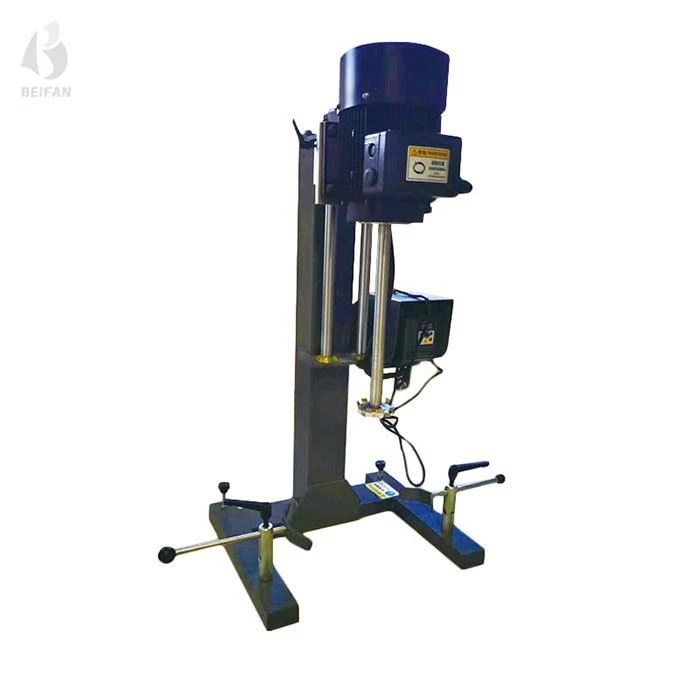
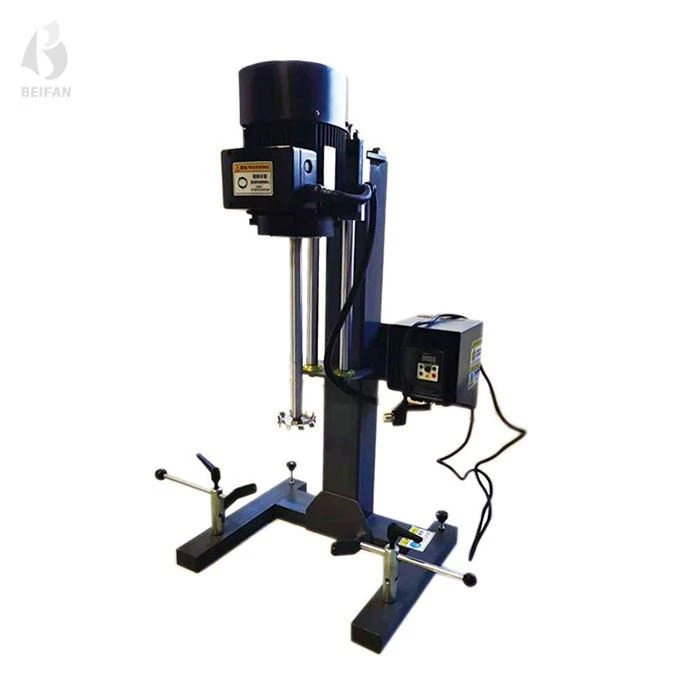
If you're in the market for other lab equipment, we also offer a High Shear Homogenizer, which is perfect for mixing and homogenizing samples. And if you need a manual disperser, our Laboratory Manual Disperser is a reliable option. Additionally, we have a Soak Centrifuge Ethanol Extraction Machine Centrifugal Extractor Equipment For Hemp Oil CBD Split Type Explosion - proof for those involved in extraction processes.
Case Studies
Let's look at a few case studies to see how the use of rotary evaporators with corrosive solvents plays out in real - world scenarios.
Case 1: A research lab was working on a project that involved the use of acetic acid, a moderately corrosive organic acid. They used a rotary evaporator with a glass evaporation flask and a stainless - steel condensate coil. After a few months of regular use, they noticed some minor etching on the glass surface. They decided to switch to a PTFE - lined evaporation flask, which solved the corrosion problem and allowed them to continue their experiments without any further issues.
Case 2: A chemical manufacturing plant needed to remove hydrochloric acid from a product. They initially used a standard rotary evaporator, but the acid quickly corroded the stainless - steel parts. They then invested in a high - end rotary evaporator with all - PTFE wetted parts. This new equipment was able to handle the hydrochloric acid without any signs of corrosion, and the plant was able to increase its production efficiency.
Conclusion
So, can a rotary evaporator be used with corrosive solvents? The answer is yes, but with proper precautions and the right equipment. You need to carefully consider the material compatibility of the equipment, take all necessary safety measures, and choose the appropriate rotary evaporator for your specific solvent.
If you're in the market for a rotary evaporator or other lab equipment and want to discuss your specific needs, whether it's about handling corrosive solvents or not, don't hesitate to reach out for a procurement discussion. Our team of experts is ready to help you find the best solution for your lab.
References
- "Laboratory Equipment Handbook" by John Doe.
- "Chemistry Lab Safety Manual" published by XYZ Publishing.
- Various industry reports on laboratory equipment usage and maintenance.


