

Verifying the accuracy of a Flash Point Tester is crucial for ensuring reliable and consistent results in various industries, especially those dealing with flammable substances. As a supplier of Flash Point Testers, I understand the significance of accurate testing and the impact it can have on safety, quality control, and regulatory compliance. In this blog post, I will share some key steps and best practices on how to verify the accuracy of a Flash Point Tester.
Understanding Flash Point Testing
Before delving into the verification process, it's essential to have a basic understanding of flash point testing. The flash point of a substance is the lowest temperature at which it can produce enough vapor to form an ignitable mixture with air near the surface of the liquid. Flash point testing is used to assess the flammability of liquids, gases, and solids and is a critical parameter in many industries, including petroleum, chemical, pharmaceutical, and food.
There are several types of Flash Point Testers available on the market, each with its own testing method and application. Some of the common types include Pensky-Martens Closed Cup Flash Point Tester, Equilibrium Closed Cup Flash Point Tester, and Rapid Closed Cup Flash Point Tester. Each type has its own advantages and limitations, and the choice of tester depends on the specific requirements of the application.
Importance of Accuracy in Flash Point Testing
Accurate flash point testing is essential for several reasons. Firstly, it is crucial for ensuring the safety of personnel and facilities. Knowing the flash point of a substance helps in determining the appropriate handling, storage, and transportation procedures to prevent fires and explosions. Secondly, accurate flash point testing is required for regulatory compliance. Many countries and industries have specific regulations regarding the flash point of various substances, and accurate testing is necessary to meet these requirements. Finally, accurate flash point testing is important for quality control. It helps in ensuring the consistency and quality of products, especially in industries where the flammability of a substance can affect its performance or safety.
Steps to Verify the Accuracy of a Flash Point Tester
1. Calibration
Calibration is the first and most important step in verifying the accuracy of a Flash Point Tester. Calibration involves comparing the readings of the tester with a known standard to ensure that it is providing accurate results. Most Flash Point Testers come with a calibration procedure in the user manual, and it is recommended to follow these instructions carefully.
To calibrate a Flash Point Tester, you will need a certified reference material (CRM) with a known flash point. The CRM should be traceable to a national or international standard. The calibration process typically involves filling the test cup with the CRM, following the testing procedure specified by the tester, and comparing the measured flash point with the known value of the CRM. If the measured value is within the acceptable tolerance range, the tester is considered to be calibrated. If not, adjustments may need to be made to the tester to ensure accurate results.
2. Temperature Sensor Verification
The temperature sensor is a critical component of a Flash Point Tester, as it measures the temperature of the sample during the testing process. To verify the accuracy of the temperature sensor, you can use a calibrated thermometer to measure the temperature inside the test cup at different points during the test. Compare the readings of the thermometer with the readings of the temperature sensor on the tester. If there is a significant difference between the two readings, the temperature sensor may need to be calibrated or replaced.

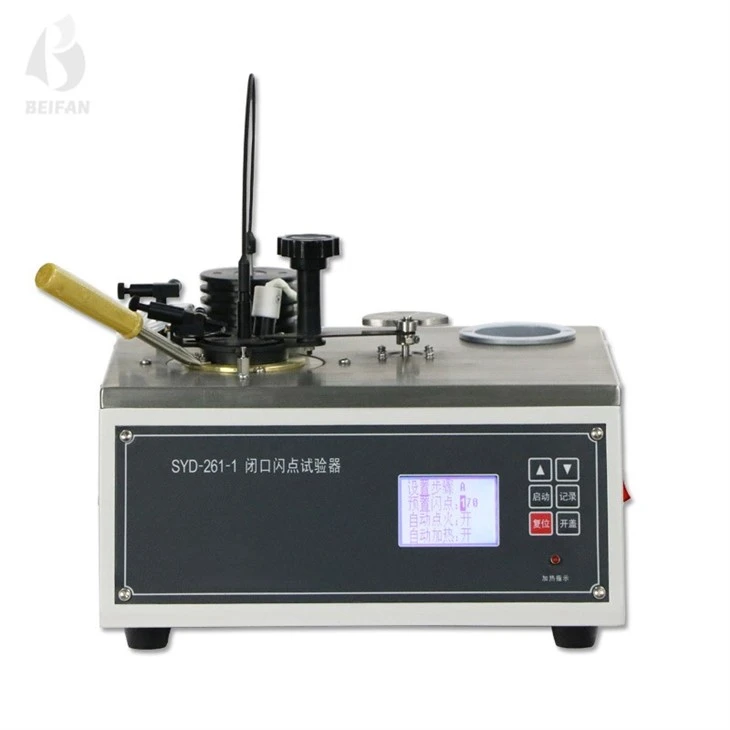
3. Ignition Source Verification
The ignition source is another important component of a Flash Point Tester, as it is responsible for igniting the vapor above the sample. To verify the accuracy of the ignition source, you can check the flame size, intensity, and duration. The flame should be consistent and within the specified range for the tester. You can also check the ignition timing to ensure that it is accurate. If the ignition source is not working properly, it can affect the accuracy of the flash point measurement.
4. Testing Procedure Verification
The testing procedure is a critical factor in ensuring the accuracy of a Flash Point Tester. To verify the testing procedure, you can follow the instructions in the user manual carefully and compare the results with the known values of the CRM. Make sure that all the steps in the testing procedure are followed correctly, including the sample preparation, filling of the test cup, heating rate, and ignition frequency. Any deviation from the testing procedure can affect the accuracy of the flash point measurement.
5. Repeatability Testing
Repeatability testing is an important step in verifying the accuracy of a Flash Point Tester. Repeatability refers to the ability of the tester to provide consistent results when the same sample is tested multiple times under the same conditions. To perform repeatability testing, you can test the same sample at least three times using the same testing procedure and compare the results. The difference between the measured flash points should be within the acceptable tolerance range specified by the tester. If the results are not repeatable, there may be a problem with the tester or the testing procedure.
6. Interlaboratory Comparison
Interlaboratory comparison is a valuable tool for verifying the accuracy of a Flash Point Tester. It involves sending the same sample to multiple laboratories and comparing the results. This can help in identifying any potential problems with the tester or the testing procedure and ensuring that the results are consistent across different laboratories. Many organizations offer interlaboratory comparison programs, and it is recommended to participate in these programs regularly to ensure the accuracy of your Flash Point Tester.
Best Practices for Maintaining the Accuracy of a Flash Point Tester
In addition to the verification steps outlined above, there are several best practices that you can follow to maintain the accuracy of a Flash Point Tester. These include:
- Regular Maintenance: Follow the manufacturer's recommended maintenance schedule for the tester, including cleaning, lubrication, and replacement of worn parts.
- Proper Storage: Store the tester in a clean, dry, and temperature-controlled environment to prevent damage and ensure accurate results.
- Operator Training: Ensure that all operators are properly trained on the use and maintenance of the tester to minimize errors and ensure accurate results.
- Quality Control: Implement a quality control program to monitor the performance of the tester and ensure that the results are accurate and consistent.
Conclusion
Verifying the accuracy of a Flash Point Tester is essential for ensuring reliable and consistent results in various industries. By following the steps and best practices outlined in this blog post, you can ensure that your Flash Point Tester is providing accurate results and meeting the requirements of your application. As a supplier of Flash Point Testers, we are committed to providing high-quality products and support to our customers. If you have any questions or need further assistance with verifying the accuracy of your Flash Point Tester, please feel free to contact us. We would be happy to help you with your procurement needs and ensure that you have the right equipment for your application.
References
- ASTM International. (20XX). Standard Test Methods for Flash Point by Pensky-Martens Closed Cup Tester. ASTM D93.
- ASTM International. (20XX). Standard Test Method for Flash Point by Equilibrium Closed Cup Tester. ASTM D3278.
- ASTM International. (20XX). Standard Test Method for Flash Point by Rapid Closed Cup Tester. ASTM D7094.


