

Hey there! As a supplier of dispersion machines, I've seen my fair share of issues with these nifty pieces of equipment. In this blog, I'm gonna walk you through some common faults of dispersion machines and how to solve 'em.
1. Overheating
One of the most common problems you might encounter with a dispersion machine is overheating. This can happen for a bunch of reasons. Maybe the machine has been running non - stop for too long without a break. Or perhaps the cooling system isn't working properly.
Causes:
- Continuous operation: Dispersion machines are powerful, but they're not built to run 24/7. If you keep it running for extended periods, the motor and other components will generate a lot of heat, and they won't have time to cool down.
- Blocked cooling vents: Dust and debris can accumulate in the cooling vents over time. When this happens, the airflow is restricted, and the heat can't escape, causing the machine to overheat.
- Faulty cooling fan: The cooling fan is an essential part of the cooling system. If it's not working correctly, it won't be able to draw the hot air out of the machine.
Solutions:
- Schedule breaks: Make sure to give your dispersion machine some rest. Set up a schedule where it runs for a certain period and then takes a break. This will allow the components to cool down.
- Clean the cooling vents: Regularly clean the cooling vents to remove any dust or debris. You can use a soft brush or compressed air to do this.
- Check the cooling fan: If you suspect the cooling fan is faulty, you can check it by turning on the machine and listening for any strange noises or feeling for the airflow. If it's not working, you might need to replace it.
2. Vibration and Noise
Excessive vibration and noise can be a real headache when using a dispersion machine. Not only is it annoying, but it can also be a sign of a more serious problem.
Causes:
- Imbalanced impeller: The impeller is a key part of the dispersion machine. If it's not balanced properly, it can cause the machine to vibrate and make a lot of noise. This can happen if the impeller is damaged or if there's an uneven distribution of material on it.
- Loose parts: Over time, the parts of the dispersion machine can become loose. This can include bolts, nuts, or other components. When these parts are loose, they can rattle around and cause vibration and noise.
- Worn - out bearings: Bearings are used to support the rotating parts of the machine. If they're worn out, they can't provide smooth operation, which leads to vibration and noise.
Solutions:
- Balance the impeller: If you suspect the impeller is imbalanced, you can try to balance it yourself or have a professional do it. You might need to clean the impeller and check for any damage.
- Tighten loose parts: Regularly inspect the machine for any loose parts and tighten them up. You can use a wrench or other appropriate tools to do this.
- Replace worn - out bearings: If the bearings are worn out, you'll need to replace them. Make sure to use the correct type of bearings for your dispersion machine.
3. Poor Dispersion Quality
The whole point of a dispersion machine is to achieve good dispersion quality. But sometimes, you might find that the results aren't as good as you'd like.
Causes:
- Incorrect speed settings: The speed of the dispersion machine is crucial for achieving good dispersion. If the speed is too low, the material might not be dispersed properly. On the other hand, if the speed is too high, it can cause other problems like overheating or excessive wear and tear.
- Wrong impeller type: Different impellers are designed for different types of materials and applications. If you're using the wrong impeller for your material, it won't be able to disperse it effectively.
- Insufficient mixing time: Sometimes, the material just needs more time to be properly dispersed. If you stop the machine too soon, the dispersion quality will be poor.
Solutions:
- Adjust the speed settings: Experiment with different speed settings to find the optimal one for your material. You can start with a lower speed and gradually increase it until you get the desired dispersion quality.
- Choose the right impeller: Make sure to select the impeller that's suitable for your material. You can consult the machine's manual or talk to our experts for advice.
- Increase the mixing time: Give the machine more time to mix the material. You can set a longer mixing time in the machine's control panel.
4. Leakage
Leakage can be a serious issue, especially if the material being dispersed is hazardous or expensive.
Causes:
- Damaged seals: The seals are used to prevent the material from leaking out of the machine. If they're damaged, the material can escape. This can happen due to wear and tear or improper installation.
- Loose connections: The connections between different parts of the machine, such as pipes and fittings, can become loose over time. This can cause leakage.
- Cracks in the housing: If there are cracks in the machine's housing, the material can leak through them.
Solutions:
- Replace damaged seals: If you find that the seals are damaged, replace them as soon as possible. Make sure to use high - quality seals that are compatible with your machine.
- Tighten loose connections: Check all the connections in the machine and tighten any that are loose. You can use a wrench or other appropriate tools.
- Repair or replace the housing: If there are cracks in the housing, you can try to repair them using a suitable sealant. In some cases, you might need to replace the housing.
Related Products
If you're looking for other types of equipment related to dispersion, we also offer some great products. For example, our Vertical Colloid Mill Machine is perfect for fine grinding and dispersion. It can handle a wide range of materials and provide excellent results.
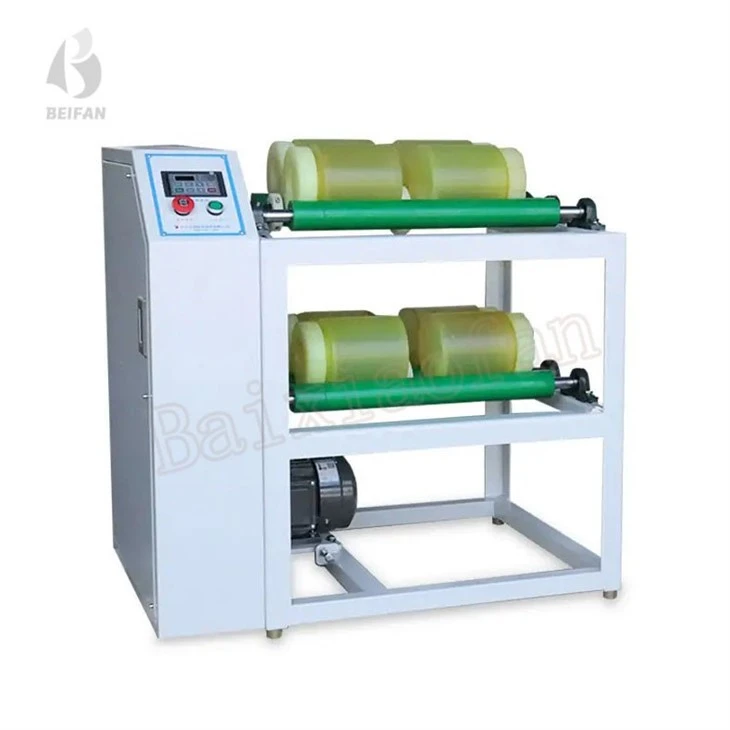
Our Lab Jar Mill is ideal for small - scale experiments and research. It's easy to use and can help you achieve accurate and consistent results.
And if you need a small - scale emulsifier for your laboratory, our Laboratory Small Emulsifier is a great choice. It can create stable emulsions with high efficiency.
Conclusion
Well, that's a wrap on the common faults of dispersion machines and how to solve them. I hope this blog has been helpful to you. If you're experiencing any problems with your dispersion machine or are interested in purchasing one, don't hesitate to get in touch with us. We're here to help you find the best solutions for your needs. Whether you need advice on maintenance, replacement parts, or want to explore our product range, just reach out and start a conversation with us.

References
- Manufacturer's manuals for dispersion machines
- Industry - related technical documents on equipment maintenance


