

Hey there! As a supplier of Stirred Ball Mills, I'm super excited to take you through the main components of these awesome machines. Stirred Ball Mills are widely used in various industries for grinding and dispersing materials, and understanding their components is key to getting the most out of them.
The Motor
Let's start with the motor. It's like the heart of the Stirred Ball Mill. The motor provides the power needed to drive the agitator and make the whole grinding process happen. We use high - quality motors that are designed to be energy - efficient and reliable. Different models of our Stirred Ball Mills may require motors with different power ratings, depending on the size of the mill and the type of materials you're going to grind. A more powerful motor can handle tougher and larger - volume grinding jobs. For example, if you're dealing with hard minerals or large batches of materials, a high - power motor will ensure that the mill runs smoothly and efficiently.

The Agitator
Next up is the agitator. This is a crucial part that directly affects the grinding performance. The agitator is responsible for stirring the grinding media (usually balls) and the materials to be ground. It creates a high - energy environment inside the mill, causing the balls to collide with the materials and break them down into smaller particles. Our agitators are designed with precision. They have a special shape and structure to ensure maximum mixing and grinding efficiency. Some of our agitators are made of wear - resistant materials to withstand the harsh conditions inside the mill. The speed and design of the agitator can be adjusted according to your specific grinding requirements. For instance, if you need a finer grind, you can increase the agitator speed.
The Grinding Chamber
The grinding chamber is where all the action takes place. It's the space where the materials and the grinding media are held during the grinding process. The size and shape of the grinding chamber can vary depending on the model of the Stirred Ball Mill. We offer different sizes of grinding chambers to meet the diverse needs of our customers. A larger grinding chamber can handle more materials at once, which is great for large - scale production. The walls of the grinding chamber are usually made of high - quality materials that are resistant to wear and corrosion. This ensures a long service life of the mill and prevents contamination of the ground materials.
The Grinding Media
Grinding media are the balls or beads that do the actual grinding work. They come in different sizes, materials, and shapes. Common materials for grinding media include ceramic, steel, and glass. The choice of grinding media depends on the type of materials you're grinding and the desired particle size. For example, ceramic grinding media are often used for grinding materials that are sensitive to metal contamination, while steel grinding media are more suitable for grinding hard and tough materials. The size of the grinding media also plays an important role. Smaller balls can produce finer particles, while larger balls are better for coarse grinding.
The Cooling System
During the grinding process, a lot of heat is generated due to the friction between the grinding media, materials, and the agitator. That's where the cooling system comes in. Our Stirred Ball Mills are equipped with efficient cooling systems to maintain a stable temperature inside the grinding chamber. This is important because excessive heat can damage the materials being ground and reduce the efficiency of the mill. The cooling system can be either water - cooled or air - cooled, depending on the model. Water - cooled systems are generally more effective in removing heat, especially for large - scale mills.
The Control Panel
The control panel is like the brain of the Stirred Ball Mill. It allows you to control various parameters of the mill, such as the speed of the motor, the temperature inside the grinding chamber, and the running time. Our control panels are user - friendly, with easy - to - understand buttons and displays. You can set the parameters according to your specific grinding requirements and monitor the operation of the mill in real - time. This gives you full control over the grinding process and ensures consistent and high - quality results.
The Housing
The housing of the Stirred Ball Mill provides protection for all the internal components. It is designed to be sturdy and durable, able to withstand the vibrations and impacts during the operation of the mill. The housing also helps to reduce noise and prevent dust from escaping, creating a safe and clean working environment. We pay great attention to the design of the housing, making sure it not only looks good but also functions well.
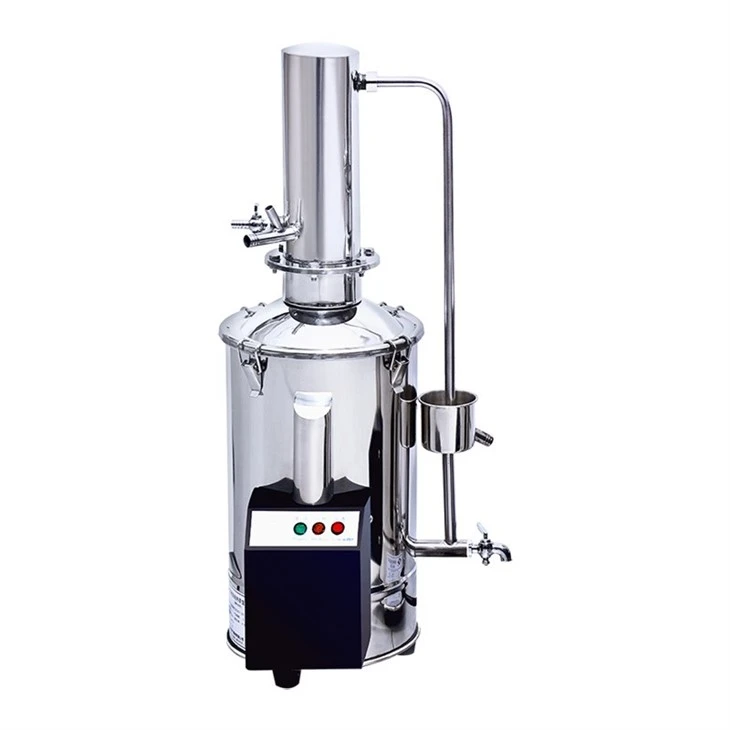
Now, if you're into related equipment, you might be interested in some of our other products. Check out our Jaw Crusher Laboratory, which is perfect for pre - crushing materials before they go into the Stirred Ball Mill. Also, we have the Stainless Steel Molecular Distiller Short Path Distillation For Garlic Oil Hemp Oil And Cannabis Oil for those in the oil - processing industry. And if you need a Laboratory Water Distiller, we've got you covered too.
We understand that every customer has unique needs when it comes to grinding and processing materials. That's why we offer customized Stirred Ball Mills. Whether you need a small - scale mill for laboratory use or a large - scale industrial mill, we can design and manufacture a mill that meets your specific requirements.
If you're interested in our Stirred Ball Mills or any of our other products, don't hesitate to get in touch. We're always here to answer your questions, provide detailed information, and help you find the best solution for your business. Contact us for a free consultation and let's start a great business relationship!
References
- "Principles of Mineral Processing" by A. M. Gaudin
- "Introduction to Grinding Technology" by John Doe


