

Ensuring the quality of dried products in a spray dryer is a critical concern for many industries, including food, pharmaceuticals, and chemicals. As a leading spray dryer supplier, I understand the importance of delivering high-quality equipment that meets the diverse needs of our customers. In this blog post, I will share some key strategies and best practices to help you achieve optimal product quality in your spray drying process.
Understanding the Spray Drying Process
Before delving into the quality assurance measures, it's essential to have a basic understanding of how a spray dryer works. The spray drying process involves atomizing a liquid feed into fine droplets and then drying them by hot air. The droplets are rapidly dried, and the resulting powder is collected at the bottom of the dryer. The quality of the dried product is influenced by several factors, including the properties of the feed, the design of the spray dryer, and the operating conditions.
Feed Preparation
The quality of the feed is the foundation for producing high-quality dried products. Here are some important considerations for feed preparation:
- Homogeneity: Ensure that the feed is homogeneous to prevent variations in the drying process. This can be achieved by proper mixing and agitation of the liquid feed.
- Particle Size: Control the particle size of the feed to ensure uniform drying. A consistent particle size distribution will result in a more uniform product quality.
- Viscosity: Adjust the viscosity of the feed to an appropriate level. High viscosity can lead to poor atomization and uneven drying, while low viscosity may cause excessive droplet evaporation.
- Temperature and pH: Monitor and control the temperature and pH of the feed. These factors can affect the stability and solubility of the components in the feed, which in turn can impact the quality of the dried product.
Spray Dryer Design
The design of the spray dryer plays a crucial role in ensuring the quality of the dried products. Here are some key design features to consider:
- Atomizer Type: Choose the appropriate atomizer based on the properties of the feed and the desired product characteristics. Common atomizer types include pressure nozzles, centrifugal atomizers, and two-fluid nozzles.
- Drying Chamber Design: The design of the drying chamber should promote efficient heat and mass transfer. A well-designed chamber will ensure uniform air flow and minimize the residence time of the droplets, reducing the risk of over-drying or under-drying.
- Air Flow Pattern: Optimize the air flow pattern in the drying chamber to ensure proper mixing of the hot air and the droplets. This will help to achieve consistent drying and prevent the formation of agglomerates.
- Product Collection System: Select a reliable product collection system to ensure efficient separation of the dried product from the exhaust air. A well-designed collection system will minimize product loss and contamination.
Operating Conditions
The operating conditions of the spray dryer have a significant impact on the quality of the dried products. Here are some important parameters to control:
- Inlet Air Temperature: The inlet air temperature should be carefully controlled to ensure efficient drying without causing thermal degradation of the product. The optimal temperature will depend on the properties of the feed and the desired product characteristics.
- Outlet Air Temperature: Monitor the outlet air temperature to ensure that the drying process is complete. A consistent outlet air temperature indicates that the product has reached the desired moisture content.
- Feed Rate: Adjust the feed rate to maintain a stable drying process. A consistent feed rate will ensure uniform drying and prevent fluctuations in the product quality.
- Air Flow Rate: Control the air flow rate to ensure proper mixing of the hot air and the droplets. A sufficient air flow rate will promote efficient heat and mass transfer, while an excessive air flow rate may cause product loss.
Quality Control Measures
In addition to the above strategies, implementing quality control measures is essential to ensure the consistency and reliability of the dried products. Here are some common quality control methods:
- Moisture Content Analysis: Regularly measure the moisture content of the dried product to ensure that it meets the specified requirements. This can be done using moisture analyzers or other appropriate methods.
- Particle Size Analysis: Analyze the particle size distribution of the dried product to ensure that it is within the desired range. This can be achieved using particle size analyzers or microscopy techniques.
- Bulk Density and Flowability: Measure the bulk density and flowability of the dried product to assess its physical properties. These properties can affect the handling and processing of the product.
- Chemical and Microbiological Analysis: Conduct chemical and microbiological analysis of the dried product to ensure its safety and quality. This may include testing for contaminants, nutrients, and other relevant parameters.
Additional Equipment for Quality Assurance
In some cases, additional equipment may be required to further enhance the quality of the dried products. Here are some examples:

- Full-Directional Planetary Ball Mill: This equipment can be used to further reduce the particle size of the dried product, improving its uniformity and dispersibility.
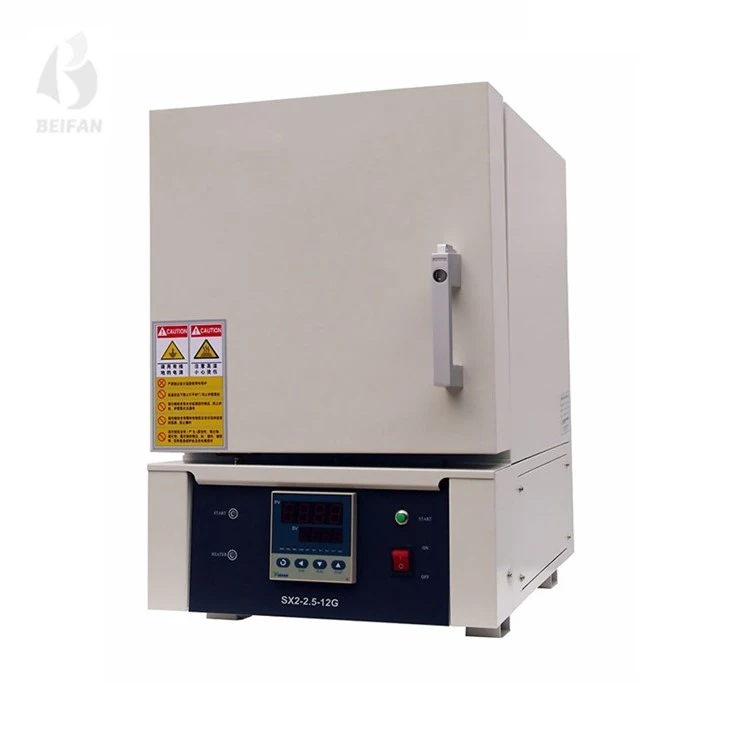
- Ceramic Muffle Furnace: A ceramic muffle furnace can be used for post-drying heat treatment to improve the stability and quality of the dried product.
- Pharmaceutic Intelligent Dissolution Tester: This equipment is specifically designed for testing the dissolution rate of pharmaceutical products, ensuring their bioavailability and efficacy.
Conclusion
Ensuring the quality of the dried products in a spray dryer requires a comprehensive approach that encompasses feed preparation, spray dryer design, operating conditions, and quality control measures. By following the strategies and best practices outlined in this blog post, you can optimize your spray drying process and produce high-quality dried products that meet the needs of your customers.
As a spray dryer supplier, we are committed to providing our customers with the highest quality equipment and technical support. If you have any questions or need further assistance in ensuring the quality of your dried products, please do not hesitate to contact us. We look forward to working with you to achieve your production goals.
References
- Mujumdar, A. S. (Ed.). (2014). Handbook of industrial drying. CRC press.
- Masters, K. (1991). Spray drying handbook. Longman Scientific & Technical.
- Perry, R. H., & Green, D. W. (Eds.). (2007). Perry's chemical engineers' handbook. McGraw-Hill.


