

Hey there! As a supplier of Flash Point Testers, I've seen my fair share of questions about the measurement results. One of the most common queries is about the drift of these results. So, let's dig into what exactly the drift of a Flash Point Tester's measurement results means.
First off, what's a Flash Point Tester? It's a crucial piece of equipment used to determine the lowest temperature at which a liquid gives off enough vapor to form an ignitable mixture with air near the surface of the liquid. This info is super important for safety, especially when dealing with flammable substances.
Now, the drift of measurement results. Drift basically refers to the gradual change in the tester's readings over time. This can be a real headache for users because it can lead to inaccurate results. And inaccurate results? Well, that's a big no - no in industries where safety and compliance are top priorities.
There are several factors that can cause this drift. One of the main culprits is wear and tear. Like any other piece of machinery, Flash Point Testers have parts that can wear out over time. For example, the heating element might not heat as efficiently as it used to. This can lead to the tester taking longer to reach the flash point, or it might not reach the correct temperature at all, causing the measurement to drift.
Another factor is contamination. If the sample chamber or other components of the tester get contaminated with residues from previous tests or other foreign substances, it can affect the measurement. Contaminants can change the way the sample vaporizes, leading to incorrect flash point readings.
Environmental conditions also play a huge role. Temperature and humidity can have a significant impact on the performance of the tester. If the tester is used in an environment where the temperature fluctuates a lot, it can cause the measurement results to drift. High humidity can also affect the electrical components of the tester, leading to inaccurate readings.
Let's talk about how we can detect this drift. Regular calibration is key. Calibration involves comparing the tester's readings with a known standard. If there's a significant difference between the tester's reading and the standard, then there's likely a drift. We recommend calibrating your Flash Point Tester at least once a year, or more frequently if it's used in a high - stress environment.
But calibration isn't the only way to detect drift. You can also keep an eye on the consistency of the results. If you notice that the readings are starting to vary more than usual, it could be a sign of drift. And don't forget to check the tester's performance indicators. Most modern Flash Point Testers have built - in indicators that can show if there's a problem with the measurement.
So, what can you do to prevent this drift? Well, proper maintenance is essential. Regularly clean the tester to remove any contaminants. Make sure to follow the manufacturer's instructions for cleaning and maintenance. Also, store the tester in a stable environment with controlled temperature and humidity.
As a supplier, we offer high - quality Flash Point Testers that are designed to minimize drift. Our testers are made with durable materials and advanced technology to ensure accurate and consistent results. But we also know that even the best equipment needs some TLC. That's why we provide comprehensive maintenance and calibration services.
Now, while we're on the topic of related equipment, I'd like to mention a few other products that might be of interest to you. If you're in the market for a Vertical Vacuum Drying Oven, we've got you covered. It's a great piece of equipment for drying samples under vacuum conditions.

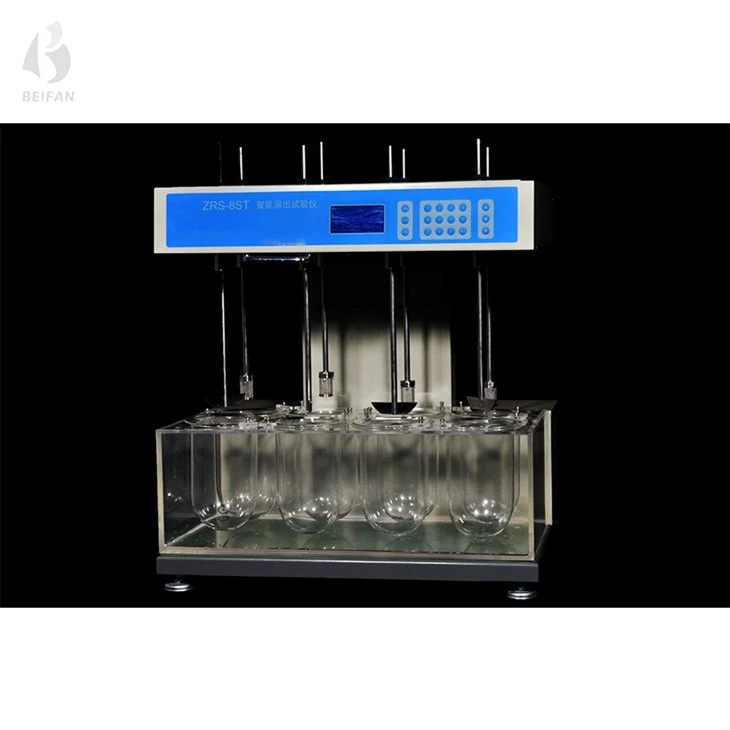
And if you're involved in the pharmaceutical industry, our Capsule Dissolution Tester is a must - have. It helps you accurately measure the dissolution rate of capsules, which is crucial for quality control.
For those who need to disperse and homogenize samples, our Handheld High Speed Disperser Homogenizer is a handy tool. It's portable and powerful, making it perfect for on - the - go applications.
If you're interested in any of our products, including our Flash Point Testers, don't hesitate to reach out. We're here to help you find the right equipment for your needs and ensure that you get accurate and reliable results. Whether you're a small lab or a large industrial facility, we've got the solutions for you. Contact us today to start a conversation about your requirements and let's work together to find the best fit for your business.
References
- ASTM D93 - Standard Test Methods for Flash Point by Pensky - Martens Closed Cup Tester
- ISO 2719 - Petroleum products -- Determination of flash point -- Pensky - Martens closed cup method


