

In the realm of modern laboratory equipment, CO2 incubators play a pivotal role in various scientific research and experimental applications, such as cell culture, tissue engineering, and microbiological studies. As a CO2 incubator supplier, we are not only committed to providing high - quality products but also dedicated to promoting energy - efficient solutions. This blog will delve into the energy - saving mode of a CO2 incubator, exploring its principles, benefits, and how it can contribute to both cost - savings and environmental protection.
1. Principles of the Energy - Saving Mode in CO2 Incubators
Temperature Control
One of the primary factors influencing energy consumption in a CO2 incubator is temperature regulation. Most CO2 incubators are designed to maintain a stable internal temperature, typically around 37°C for mammalian cell culture. The energy - saving mode in these incubators employs advanced temperature control algorithms.
For instance, instead of constantly running the heating elements at full power, the incubator uses a proportional - integral - derivative (PID) control system. This system continuously monitors the internal temperature and adjusts the heating power accordingly. When the temperature is close to the setpoint, the heating power is reduced, which significantly cuts down on energy usage. Moreover, some modern CO2 incubators are equipped with high - quality insulation materials. These materials minimize heat loss to the external environment, allowing the incubator to maintain the desired temperature with less energy input. For example, double - walled construction with vacuum insulation can effectively reduce heat transfer, ensuring that the internal temperature remains stable while using less energy to compensate for any losses.
CO2 Regulation
Another crucial aspect of a CO2 incubator is the regulation of carbon dioxide levels. In normal operation, the incubator constantly monitors and adjusts the CO2 concentration to maintain a stable environment for cell growth. The energy - saving mode optimizes this process.
Rather than continuously injecting CO2 into the chamber, the incubator uses a more intelligent approach. It can detect small changes in CO2 levels and make precise adjustments. Some incubators are designed with a low - flow CO2 delivery system. This system reduces the amount of CO2 gas used by delivering it in a more controlled and efficient manner. Additionally, advanced sensors can accurately measure the CO2 concentration, allowing for more precise regulation and less waste of the gas.
Humidity Management
Humidity is also an important factor in cell culture. High humidity levels are required to prevent the evaporation of culture media. However, maintaining high humidity can be energy - intensive.
The energy - saving mode in CO2 incubators manages humidity more efficiently. It uses a combination of sensors and a controlled water evaporation system. Instead of continuously heating water to generate steam, the incubator can adjust the evaporation rate based on the internal humidity levels. When the humidity is close to the setpoint, the water evaporation is reduced, saving energy. Some incubators also have a humidity recovery system that can quickly restore the humidity level after the chamber door is opened, without using excessive energy.
2. Benefits of the Energy - Saving Mode
Cost Savings
One of the most obvious benefits of the energy - saving mode is cost reduction. By consuming less electricity and CO2 gas, laboratories can significantly cut down on their operational expenses. For large - scale research facilities that use multiple CO2 incubators, the savings can be substantial over time. The reduced energy consumption also means lower utility bills, which can free up more funds for other research activities.
Environmental Protection
In today's world, environmental protection is of utmost importance. The energy - saving mode in CO2 incubators contributes to a greener laboratory environment. By reducing electricity consumption, it helps to lower the carbon footprint associated with laboratory operations. Additionally, the more efficient use of CO2 gas means less waste and a reduced impact on the environment. As a society, we are increasingly aware of the need to conserve resources and reduce emissions, and using energy - saving CO2 incubators is a step in the right direction.
Extended Equipment Lifespan
The energy - saving mode can also have a positive impact on the lifespan of the CO2 incubator. By operating the heating elements, CO2 delivery systems, and other components at lower power levels, there is less wear and tear on the equipment. This means fewer breakdowns and a longer service life for the incubator. As a result, laboratories can save on maintenance and replacement costs in the long run.

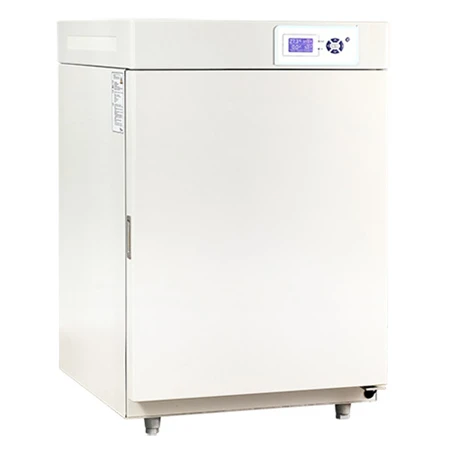
3. Our Company's Offerings in Energy - Saving CO2 Incubators
As a leading CO2 incubator supplier, we offer a range of products with advanced energy - saving features. Our Carbon Dioxide Incubator is designed with state - of - the - art technology to ensure optimal energy efficiency. It incorporates the latest PID temperature control system, high - quality insulation, and intelligent CO2 regulation.
Our Co2 Laboratory Incubator is specifically tailored for laboratory use. It offers a precise and stable environment for cell culture while minimizing energy consumption. With its low - flow CO2 delivery system and efficient humidity management, it is an ideal choice for laboratories looking to reduce their energy costs.
For those involved in cell culture, our Co2 Incubator For Cell Culture provides a dedicated solution. It is equipped with all the necessary features to create a perfect environment for cell growth, including the energy - saving mode. The incubator's advanced sensors and control systems ensure that it operates at peak efficiency, saving both energy and resources.
4. How to Choose the Right Energy - Saving CO2 Incubator
When selecting an energy - saving CO2 incubator, there are several factors to consider.
Energy Efficiency Rating
Look for incubators with high energy efficiency ratings. These ratings are usually provided by independent testing organizations and can give you an idea of how much energy the incubator will consume. A higher rating means lower energy consumption and potentially greater cost savings.
Size and Capacity
Choose an incubator that is the right size for your needs. An oversized incubator will consume more energy than necessary, while an undersized one may not be able to meet your experimental requirements. Consider the number of samples you need to culture and select an incubator with an appropriate capacity.
Additional Features
Some incubators come with additional features that can enhance energy efficiency. For example, automatic door closing systems can prevent heat and CO2 loss when the door is accidentally left open. Remote monitoring and control capabilities allow you to adjust the settings of the incubator from a distance, optimizing its operation and saving energy.
5. Conclusion
The energy - saving mode in CO2 incubators is a significant advancement in laboratory technology. It offers numerous benefits, including cost savings, environmental protection, and extended equipment lifespan. As a CO2 incubator supplier, we are proud to offer a range of energy - efficient products that meet the diverse needs of laboratories.
If you are interested in our energy - saving CO2 incubators or would like to discuss your specific requirements, we encourage you to contact us for a procurement consultation. Our team of experts is ready to provide you with detailed information and help you select the most suitable incubator for your laboratory.
References
- [List of relevant scientific papers on CO2 incubator technology and energy efficiency]
- [Technical documentation of our company's CO2 incubators]
- [Industry reports on energy - saving laboratory equipment]


