

As a trusted supplier of rotary evaporators, I often get asked about the vacuum range of these essential laboratory instruments. Understanding the vacuum range is crucial for anyone looking to use a rotary evaporator effectively, whether you're in a research lab, a pharmaceutical company, or a chemical manufacturing plant. In this blog post, I'll delve into what the vacuum range of a rotary evaporator is, why it matters, and how it impacts your work.
What is a Rotary Evaporator?
Before we dive into the vacuum range, let's briefly recap what a rotary evaporator is. A rotary evaporator, also known as a rotovap, is a device used in laboratories for the efficient and gentle removal of solvents from samples by evaporation. It consists of a rotating flask, a heating bath, a condenser, and a vacuum system. The sample is placed in the rotating flask, which is then heated in the bath while being rotated. The rotation increases the surface area of the sample, allowing for faster evaporation. The solvent vapor rises and is condensed back into a liquid in the condenser, where it can be collected.
The Importance of Vacuum in a Rotary Evaporator
The vacuum system in a rotary evaporator plays a vital role in the evaporation process. By reducing the pressure inside the system, the boiling point of the solvent is lowered. This means that the solvent can be evaporated at a lower temperature, which is particularly important for heat-sensitive samples. Without a vacuum, the solvent would need to be heated to its normal boiling point, which could damage the sample or cause unwanted chemical reactions.
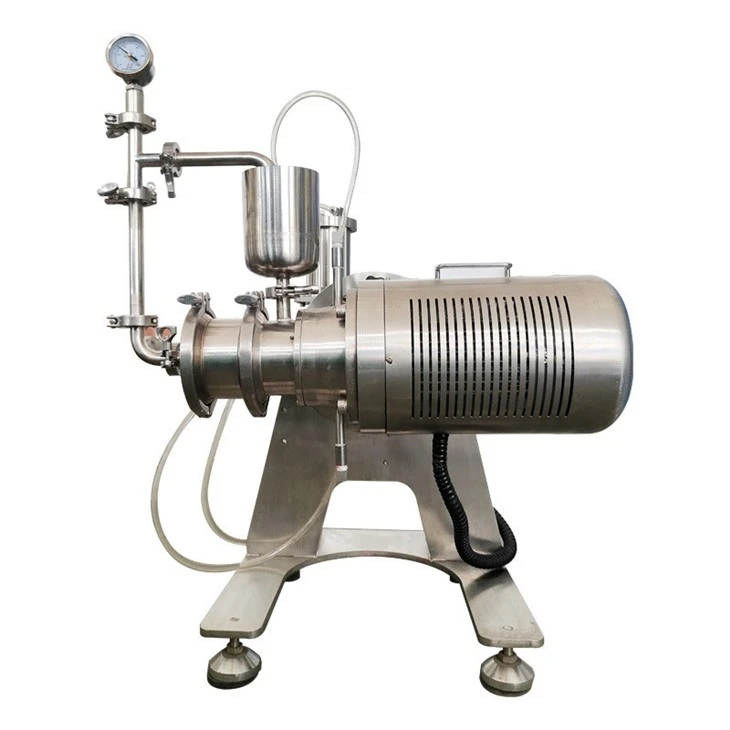

What is the Vacuum Range of a Rotary Evaporator?
The vacuum range of a rotary evaporator refers to the minimum and maximum pressure that the vacuum system can achieve. It is typically measured in millibars (mbar) or torr. The lower the pressure, the higher the vacuum. Most rotary evaporators have a vacuum range that starts from atmospheric pressure (around 1013 mbar) and can go as low as 1 mbar or even lower, depending on the model and the quality of the vacuum pump.
Why Does the Vacuum Range Matter?
The vacuum range is an important factor to consider when choosing a rotary evaporator because it determines the types of solvents that can be evaporated and the efficiency of the evaporation process. Different solvents have different boiling points, and the vacuum range of the rotary evaporator needs to be low enough to lower the boiling point of the solvent to a practical level. For example, water has a boiling point of 100°C at atmospheric pressure, but it can be evaporated at a much lower temperature under vacuum. If the vacuum range of the rotary evaporator is not low enough, the water may not evaporate efficiently, or it may require a higher temperature, which could damage the sample.
In addition, the vacuum range also affects the evaporation rate. A lower pressure means a higher vacuum, which in turn means a faster evaporation rate. This is because the lower pressure reduces the resistance to the vaporization of the solvent, allowing it to evaporate more quickly. Therefore, if you need to evaporate large volumes of solvent or if you have a tight deadline, a rotary evaporator with a lower vacuum range may be more suitable.
Factors Affecting the Vacuum Range
Several factors can affect the vacuum range of a rotary evaporator. The most important factor is the quality of the vacuum pump. A high-quality vacuum pump can achieve a lower pressure and maintain a stable vacuum for a longer period of time. Other factors include the design of the rotary evaporator, the size and shape of the flask, and the type of solvent being evaporated.
Choosing the Right Vacuum Range for Your Needs
When choosing a rotary evaporator, it's important to consider your specific needs and the types of solvents you'll be working with. If you'll be working with high-boiling solvents or if you need to achieve a very low boiling point, you'll need a rotary evaporator with a lower vacuum range. On the other hand, if you'll be working with low-boiling solvents or if you don't need to achieve a very low pressure, a rotary evaporator with a higher vacuum range may be sufficient.
It's also important to consider the cost and maintenance requirements of the rotary evaporator. A rotary evaporator with a lower vacuum range may be more expensive and require more maintenance, so you'll need to weigh the benefits against the costs.
Related Products
In addition to rotary evaporators, we also offer a range of other laboratory equipment, including Rapid Closed Cup Flash Point Tester, Lab Sand Mill, and 20L Single Layer Glass Reactor. These products are designed to meet the needs of various industries and applications, and they are backed by our commitment to quality and customer service.
Contact Us for Procurement and Negotiation
If you're interested in purchasing a rotary evaporator or any of our other laboratory equipment, we encourage you to contact us for procurement and negotiation. Our team of experts will be happy to assist you in choosing the right equipment for your needs and providing you with a competitive quote. We strive to provide our customers with the best products and services at the most affordable prices, and we look forward to working with you.
References
- Perry, R. H., & Green, D. W. (Eds.). (1997). Perry's Chemical Engineers' Handbook. McGraw-Hill.
- Dean, J. A. (Ed.). (1999). Lange's Handbook of Chemistry. McGraw-Hill.
- Skoog, D. A., West, D. M., & Holler, F. J. (1996). Fundamentals of Analytical Chemistry. Saunders College Publishing.


