

Hey there! As a supplier of CO2 incubators, I often get asked about issues that users face, and one common problem is condensation inside the incubator. It can be a real headache, but don't worry, I've got some tips and tricks to help you deal with it.
First off, let's understand why condensation happens in the first place. Condensation occurs when warm, moist air comes into contact with a cooler surface. In a CO2 incubator, this usually happens when the temperature inside the incubator fluctuates or when there's a significant difference between the temperature inside and outside the incubator. For example, if you open the incubator door frequently, warm, humid air from the outside can rush in and condense on the cooler interior surfaces.

So, what should you do if you notice condensation inside your CO2 incubator? Well, the first step is to check the incubator's temperature and humidity settings. Make sure they're set correctly for your specific application. If the humidity is set too high, it can lead to excessive moisture in the air, which increases the likelihood of condensation. Try reducing the humidity level slightly and see if that helps.
Another thing you can do is to minimize the frequency of opening the incubator door. Every time you open the door, you're letting in warm, humid air from the outside, which can cause condensation. If possible, try to plan your experiments or sample retrievals in advance so you can minimize the number of times you need to open the door.
If condensation persists, you might want to check the incubator's ventilation system. A properly functioning ventilation system helps to circulate the air inside the incubator, preventing the buildup of moisture. Make sure the vents are clean and unobstructed. You can use a soft brush or compressed air to clean the vents if necessary.
It's also a good idea to keep the area around the incubator clean and dry. If the surrounding environment is humid, it can affect the performance of the incubator and increase the likelihood of condensation. Try to place the incubator in a well-ventilated area away from sources of moisture, such as sinks or water pipes.
In addition to these preventive measures, there are some products that can help to reduce condensation inside the incubator. For example, you can use desiccant packs or moisture-absorbing materials inside the incubator to absorb excess moisture. Just make sure to choose products that are safe for use in a biological environment.
Now, let's talk about some other products that might be useful for your laboratory. If you're involved in sample preparation or solvent recovery, you might be interested in our Rotavapor R 100-Pro. This high-quality rotary evaporator is designed to efficiently remove solvents from samples, making it ideal for a wide range of applications.
If you're looking for a solvent recovery solution, our Thinner Solvent Recovery Machine is a great option. It can help you to recover and reuse solvents, reducing waste and saving you money in the long run.
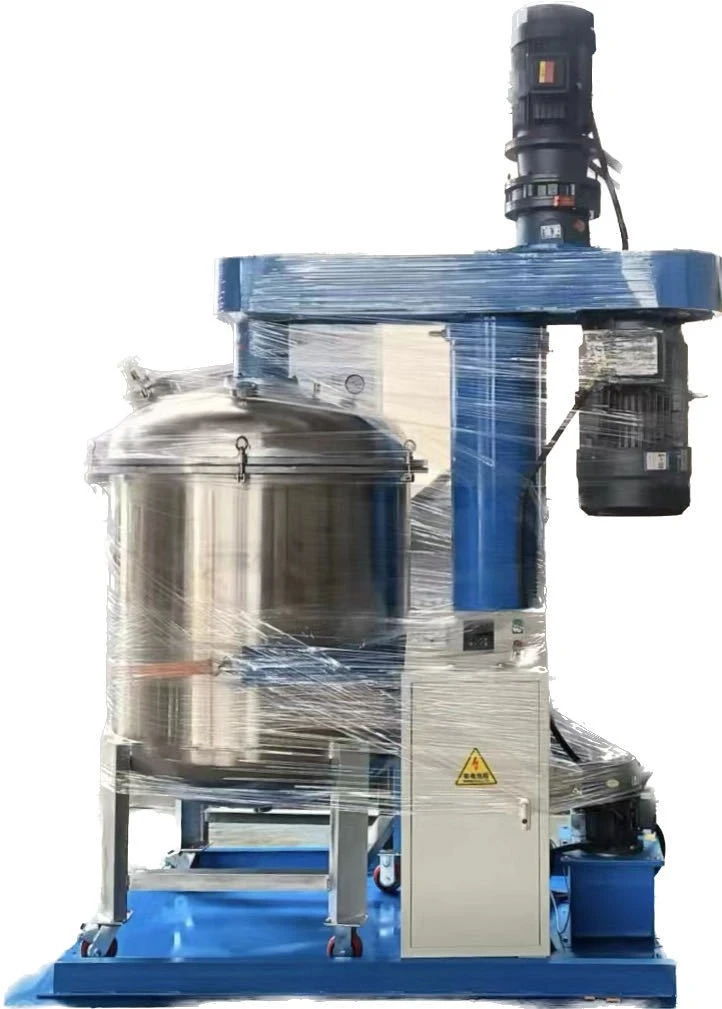
And if you need to mix samples under vacuum conditions, our Planetary Vacuum Mixer Machine is the perfect choice. It provides a uniform and efficient mixing action, ensuring that your samples are thoroughly mixed every time.
In conclusion, dealing with condensation inside a CO2 incubator can be a challenge, but with the right approach, it's definitely manageable. By following the tips and tricks I've outlined above, you can minimize the occurrence of condensation and ensure the optimal performance of your incubator. And if you're in the market for other laboratory equipment, be sure to check out our Rotavapor R 100-Pro, Thinner Solvent Recovery Machine, and Planetary Vacuum Mixer Machine.
If you have any questions or would like to learn more about our products, feel free to reach out to us. We're always happy to help and look forward to discussing your specific needs and how we can assist you in your laboratory operations.
References
- General knowledge on CO2 incubator operation and maintenance from industry experience.
- Information on laboratory equipment functionality based on product development and testing within the field.


